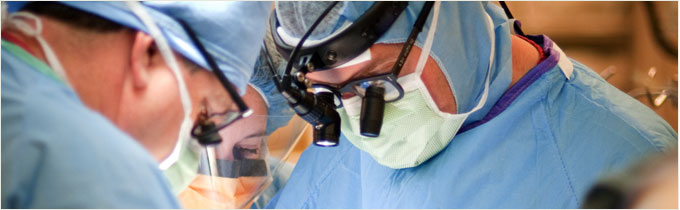
Colorectal surgeons at NGPG have completed general surgery training, along with advanced training in the treatment of colon and rectal conditions. Our team specializes in diagnosing and treating issues related to the lower digestive tract, which includes the colon, rectum and anus.
We focus on accurate diagnosis, personalized treatment plans, and enhanced recovery pathways to help you return to your daily life as quickly as possible.
What is the colorectal system?
The colorectal system includes the colon and the rectum, which together make up the final portion of the digestive tract. The colon absorbs water and nutrients, while the rectum stores stool until it is passed. Conditions affecting either or both areas — such as colorectal cancer, diverticulitis, polyps or inflammatory bowel disease — fall under colorectal care.
What conditions do we treat?
Our team manages colon, rectal, and colorectal conditions — whether they affect one part of the large intestine or the entire lower digestive tract.
Colorectal Cancer
- Colon cancer
- Rectal cancer
- Anal cancer
Inflammatory bowel diseases (IBD)
- Crohn’s disease
- Ulcerative colitis
- Indeterminate colitis
- Perianal Crohn’s
Familial inherited colorectal neoplasia
- Familial adenomatous polyposis syndrome (FAP)
- Lynch syndrome / hereditary nonpolyposis colorectal cancer (HNPCC)
- Hereditary nonpolyposis colorectal cancer (HNPCC)
- MutYH-associated polyposis (MAP)
- Serrated polyposis syndrome / hyperplastic polyposis syndrome
Rare tumors of the small & large bowel
- Neuroendocrine (carcinoid) tumors
- Gastrointestinal stromal tumors
- Appendiceal neoplasms
- Small intestinal adenocarcinoma
Diverticular disease and other colitis
- Diverticulitis
- Diverticular abscesses and fistulas
- Segmental colitis associated with diverticular disease (SCAD)
Benign anorectal disease
- Anal fistula
- Anal fissure
- Abscess
- Hemorrhoids
- Anal condyloma/warts
- Anal dysplasia
Enteric fistulas
- Colovaginal fistula
- Colovesical fistula
- Rectovaginal fistula
- Others
Colonoscopy
- Colorectal cancer screening strategies
- Diagnostic colonoscopy
- Polyps of the colon and rectum
Functional bowel disorder
- Slow transit constipation
- Pelvic floor dysfunction
- Rectal prolapse
- Rectovaginal fistula
- Fecal incontinence
- Sphincter injury
- Proctalgia fugax / levator spasm
Other
- Ischemic colitis
- C difficile colitis requiring surgery
Treatments & Procedures
Minimally Invasive Surgery
- Laparoscopic and robotic colectomy
- Segmental colon resections
- Minimally invasive surgery for diverticulitis and IBD
- Robotic rectal surgery (including low anterior resection)
Cancer Surgery (Colon, Rectal & Colorectal)
- Colectomy, low anterior resection, abdominoperineal resection
- Margin‑focused surgical planning
- Lymph node evaluation
- Sphincter‑preservation techniques when safe and feasible
Anorectal Procedures
- Hemorrhoid procedures (banding, IRC, stapled or excisional approaches)
- Fissure and fistula repair
- Abscess drainage
- Rectal prolapse surgery
Ostomy Care
- Temporary and permanent colostomies/ileostomies
- Pre‑op marking and education
- Long‑term support with ostomy nurses
Pelvic Floor & Functional Care
- Incontinence and obstructed defecation evaluation
- Collaboration with pelvic floor therapy and biofeedback specialists
Enhanced Recovery After Surgery (ERAS)
Designed to reduce pain, limit opioids, shorten hospital stay and support safer, faster recovery.
Choose NGPG for Colorectal Surgery
Our colorectal surgeons bring extensive training, board‑certified expertise and a commitment to delivering the most advanced, effective care available. We use advanced surgical technology, including robotic platforms, to offer minimally invasive solutions whenever safe and appropriate. Our surgeons work closely with a multidisciplinary team — including gastroenterology, oncology, radiology, pathology, pelvic floor therapy and rehabilitation — ensuring every patient receives coordinated, comprehensive care from diagnosis through recovery
Call us at 770-219-9200 or use the form on this page to contact your most convenient practice location.
Frequently Asked Questions
Your visit includes a review of your symptoms, exams, discussion of test results and a personalized plan. Bring your ID, insurance card, medication list, and any prior imaging.
Many procedures can be performed using minimally invasive techniques with small incisions.
Often no — some ostomies are temporary and can be reversed once healing is complete.
Call immediately for fever, increasing abdominal pain, vomiting, worsening incision changes or sudden bowel function concerns. You’ll receive direct contact information before going home.